
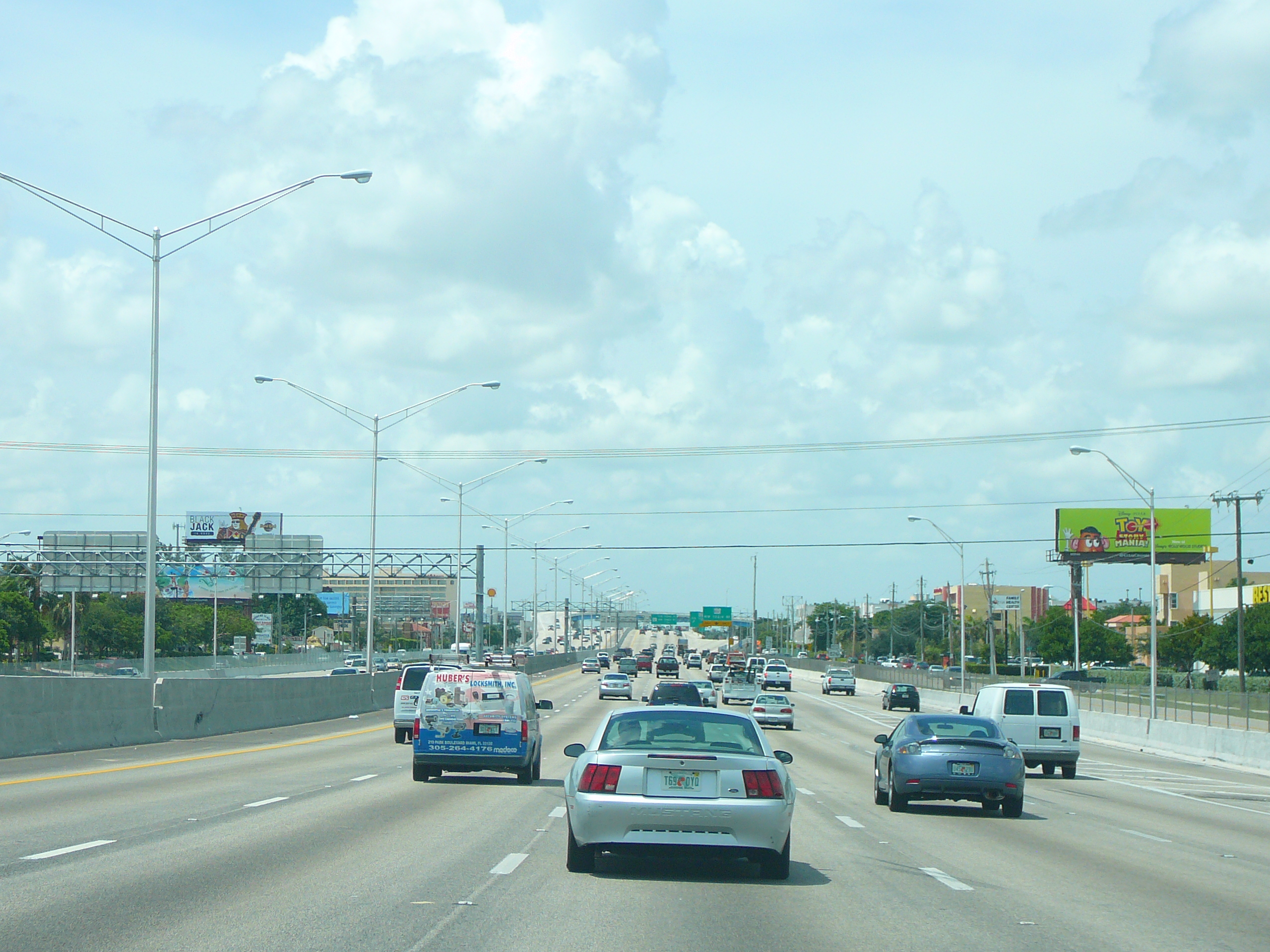
After a crash on the Palmetto, the Dolphin, or any of the dozens of arteries that move South Florida every day, one of the first things people do is reach for their phone and search a version of the same question: What is the average car accident settlement in Florida? It is a perfectly natural impulse. You want a number. You want a benchmark. You want some sense of what the months ahead might look like financially while you are dealing with a body that hurts and a car that is in pieces. At Weinstein & Cohen, we hear this question often, and we believe the more important conversation begins after we explain why the “average” is rarely a useful answer.
The Problem With Statewide Averages
Reported “average” settlement figures tend to circulate online with a kind of false authority. The numbers exist, but they pool together cases that have almost nothing in common. A low-speed parking lot tap that produced a sore neck and two chiropractor visits is counted in the same dataset as a catastrophic Turnpike collision involving a commercial truck, a spinal injury, and a lifetime of care. When those outcomes are blended into a single figure, the result tells you very little about what your own claim might be worth.
A more productive question, and the one our attorneys actually work to answer, is this: What factors will determine the value of my case?
What Genuinely Drives the Value of a Florida Auto Claim
Several variables largely determine the outcome of a personal injury case in Miami-Dade, Broward, Palm Beach, or Collier County. None of them is a shortcut. Together, they form the picture that an insurance carrier or a jury will eventually evaluate.
The severity and permanence of the injury. This is almost always the single largest factor. Soft tissue strains that resolve in a few weeks behave very differently from herniated discs, fractures, traumatic brain injuries, or any condition that produces a permanent impairment. The more serious and lasting the injury, the more substantial the potential recovery.
The medical timeline. Insurance adjusters scrutinize whether a client sought prompt care after the crash, whether treatment was consistent, and whether the recovery arc is well documented. Gaps in care, even understandable ones, give carriers an opening to argue that the injury was not as serious as claimed.
Liability and Florida’s comparative fault rules. A clean liability picture, such as a rear-end collision on the 826, tends to move more cleanly toward resolution. When fault is contested or shared, Florida’s modified comparative negligence framework can reduce a recovery in proportion to the injured party’s share of responsibility, and can bar recovery entirely if that share exceeds 50 percent.
Available insurance coverage. In a region where minimum limits policies are common, the at-fault driver’s coverage frequently sets a practical ceiling on what can be collected. This is one of the reasons our firm so consistently encourages South Florida drivers to carry meaningful uninsured and underinsured motorist coverage of their own.
The strength of the documentation. Medical records, imaging, photographs, the traffic crash report, witness accounts, and a clear narrative of how the injury has affected daily life are the raw materials of a credible claim. The clearer the record, the stronger the position.
Florida’s No-Fault System and the Injury Threshold
Florida is a no-fault state. Every driver is required to carry Personal Injury Protection coverage, which generally pays 80 percent of medical bills and 60 percent of lost wages, up to a $10,000 limit, regardless of who caused the crash. PIP is meant to handle early expenses quickly, but it is rarely sufficient when injuries are serious.
To pursue a claim against the at-fault driver for pain and suffering and other non-economic damages, an injured person must meet Florida’s statutory injury threshold. That generally requires a permanent injury within a reasonable degree of medical probability, significant and permanent loss of an important bodily function, permanent scarring or disfigurement, or death. When the threshold is met, the case can step outside the no-fault framework, and the full range of recoverable damages becomes available.
Why Local Experience Matters
Two clients with similar injuries can see very different outcomes depending on where the case is filed, which carrier is involved, and how the claim is built from the first week forward. Juries in Miami-Dade evaluate cases differently from juries in Collier County. Insurance companies adjust their posture based on the firm representing the injured party. The “average settlement” figure cannot account for any of that. Skilled, locally experienced counsel can.
Final Thoughts
If you have been injured in a crash anywhere in South Florida, the most useful number is not a statewide average. It is the honest assessment of your own case. At Weinstein & Cohen, we combine decades of trial experience with a personal attention and boutique approach to help clients understand what their claim is genuinely worth and what it will take to get there. If you or a loved one has been hurt in an automobile or trucking accident, please contact us for a free consultation. Visit our website at www.fairnessforall.com or call 305-374-1011 today. Let us help you understand your rights, evaluate your claim, and fight for the compensation and justice you deserve.
